Inheriting a home with siblings or other relatives can be a complex process, filled with both emotional and financial challenges. Property taxes don’t pause when a loved one dies, and for co-heirs, the question of who pays—and how much—can quickly become a source of conflict and stress. Texas has specific rules governing property tax obligations for jointly inherited homes, including homestead exemption resets and delinquency consequences that surprise most families. Understanding these obligations is the first step toward resolving them, whether that means managing the property together or deciding to sell. In this blog post, Texas probate real estate expert Dallas Seely discusses how property taxes are handled in Texas for jointly inherited homes and what co-heirs can do when the tax burden becomes unmanageable.
Key Takeaways
- Property taxes on jointly inherited Texas homes are a shared responsibility, meaning all co-heirs are legally liable, and delinquency can result in a lien against the entire property regardless of which heir failed to pay.
- The homestead exemption does not automatically transfer to heirs, which can significantly increase the annual tax bill. Heirs must apply separately under Texas’s SB 1943 provisions to restore it if they qualify.
- Selling the inherited home as-is is often the fastest way to eliminate ongoing tax obligations, divide equity fairly among heirs, and close the chapter on a complex estate matter.
- The Probate Realtor delivers multiple offers within 24 hours on jointly inherited Texas properties, with closings available in as little as 2 weeks—no repairs, no showings, no delays.
When multiple heirs inherit a Texas home together, property taxes become a shared legal obligation, and any heir’s failure to pay can put the entire property at risk of a tax lien. The fastest way to resolve disputed tax burdens among co-heirs is often to sell the property as-is, divide the proceeds, and eliminate the ongoing financial obligation entirely. The Probate Realtor can present multiple offers within 24 hours on jointly inherited Texas homes, allowing co-heirs to close in as little as 2 weeks without repairs, showings, or prolonged disagreements.
To Discuss Your Inherited Property Sale, Call or Text (512) 777-9530 Today for Multiple Offers Within 24 Hours.
Call Today To See How Much Your Inherited Property Is Worth – Sell Your Inherited Property Before or During Probate
Dallas Seely has guided hundreds of Texas families through the complexities of jointly inherited property sales, including situations involving disputed tax obligations, delinquent accounts, and heirs who disagree on next steps. With a probate attorney on staff, The Probate Realtor provides both the real estate expertise and the legal guidance co-heirs need to move forward confidently. Having served 300+ families annually across Texas, Dallas Seely understands the specific property tax procedures in Harris County, Travis County, Bexar County, Dallas County, and Tarrant County—and how to help heirs resolve tax burdens quickly through a strategic sale.
Texas Property Tax Rates for Inherited Homes (Without Homestead Exemption)
| County | Major Metro | Effective Tax Rate Range | Annual Tax on $400K Home | CAD Website |
|---|---|---|---|---|
| Harris County | Houston | 2.0% – 2.5% | $8,000 – $10,000 | hcad.org |
| Travis County | Austin | 1.8% – 2.2% | $7,200 – $8,800 | traviscad.org |
| Bexar County | San Antonio | 2.3% – 2.7% | $9,200 – $10,800 | bcad.org |
| Dallas County | Dallas | 2.1% – 2.6% | $8,400 – $10,400 | dallascad.org |
| Tarrant County | Fort Worth | 2.0% – 2.5% | $8,000 – $10,000 | tad.org |
Frequently Asked Questions
All co-heirs who inherit a Texas home together share joint and several liability for property taxes. This means each heir is individually responsible for the full tax bill — not just their proportional share. If one heir fails to pay, the county can place a lien against the entire property, putting all co-heirs at risk.
The prior owner’s homestead exemption does not automatically transfer to heirs. When a jointly inherited Texas home loses the homestead exemption, the property is reassessed at full market value — which can significantly increase the annual tax bill. Under Texas Senate Bill 1943, qualifying heirs can apply for a new homestead exemption using Form 50-114 through their county appraisal district.
If property taxes are already delinquent, the situation requires urgent attention. Texas penalties can add up to 40% or more of the original tax bill within a year. The fastest resolution is often to sell the property as-is, which allows the delinquent taxes and penalties to be paid directly from the closing proceeds. This eliminates the financial burden and risk of foreclosure.
Understanding Property Tax Obligations for Co-Heirs in Texas
When a home is inherited by multiple people, Texas law typically establishes ownership as "tenancy in common." This means each heir owns an individual, undivided percentage of the property. However, the property tax bill applies to the entire home, not just individual shares. This creates a situation of "joint and several liability," where every co-heir is legally responsible for the full tax amount. If one heir fails to pay their portion, the county tax assessor can place a lien on the whole property, jeopardizing everyone's inheritance.
During the probate process, the estate itself is responsible for paying property taxes using estate funds. This legal process can take anywhere from six to 18 months in Texas, depending on the complexity and type of administration. Once the court officially transfers the property title to the heirs, the responsibility for all future property taxes shifts directly to them as the new joint owners.
How Intestate Succession Determines Each Heir's Ownership Share
If the deceased passed away without a will (intestate), the Texas Estates Code dictates who inherits the property and in what proportions. For example, a surviving spouse and children may share ownership, or siblings may inherit equal shares. While these percentages are crucial for dividing sale proceeds or in a partition lawsuit, they do not divide the tax liability. From the county's perspective, all co-owners are equally and fully responsible for ensuring the tax bill is paid on time.
The Homestead Exemption Reset: The Biggest Hidden Tax Trap for Texas Heirs
One of the most significant financial shocks for heirs is the loss of the deceased owner's homestead exemption. This exemption caps the annual increase in a property's assessed value for tax purposes. At death, this protection ends, and the property's assessed value resets to its full market value. This can cause the annual property tax bill to skyrocket unexpectedly, creating a sudden financial burden for the co-heirs.
For example, a home in Travis County with a capped assessed value of $280,000 but a current market value of $450,000 could see its annual property taxes jump from roughly $5,040 to over $9,000. This increase of nearly $4,000 per year catches most families completely off guard. It's crucial for heirs to understand this reset and prepare for the higher tax obligation. Many online sources incorrectly reference California's "Proposition 13" regarding Texas appraisal caps; however, Texas protections are governed by the Texas Tax Code and state laws, not out-of-state legislation.
How to Apply for the Heir Property Homestead Exemption in Texas (Step-by-Step)
To combat this issue, Texas passed Senate Bill 1943, which allows qualifying heirs to apply for their own homestead exemption on inherited property. This can restore some or all of the tax savings.
- Obtain the Form: Download Form 50-114, "Residence Homestead Exemption Application for Heir Property," from your county appraisal district's (CAD) website (e.g., hcad.org for Harris County or traviscad.org for Travis County).
- Gather Documents: You will need supporting documentation, such as a copy of the death certificate, an affidavit of heirship or court-ordered proof of ownership, and a photo ID.
- Submit the Application: File the completed form with your local CAD, typically by the April 30th deadline.
- Follow Up: Allow 30 to 90 days for processing. You should receive a confirmation or updated assessment notice from the CAD.
- Protest if Needed: If you believe the new assessed value is incorrect, you must file a protest by May 15th or 30 days after receiving your notice, whichever is later.
What Happens When Joint Heirs Can't Agree on Property Taxes
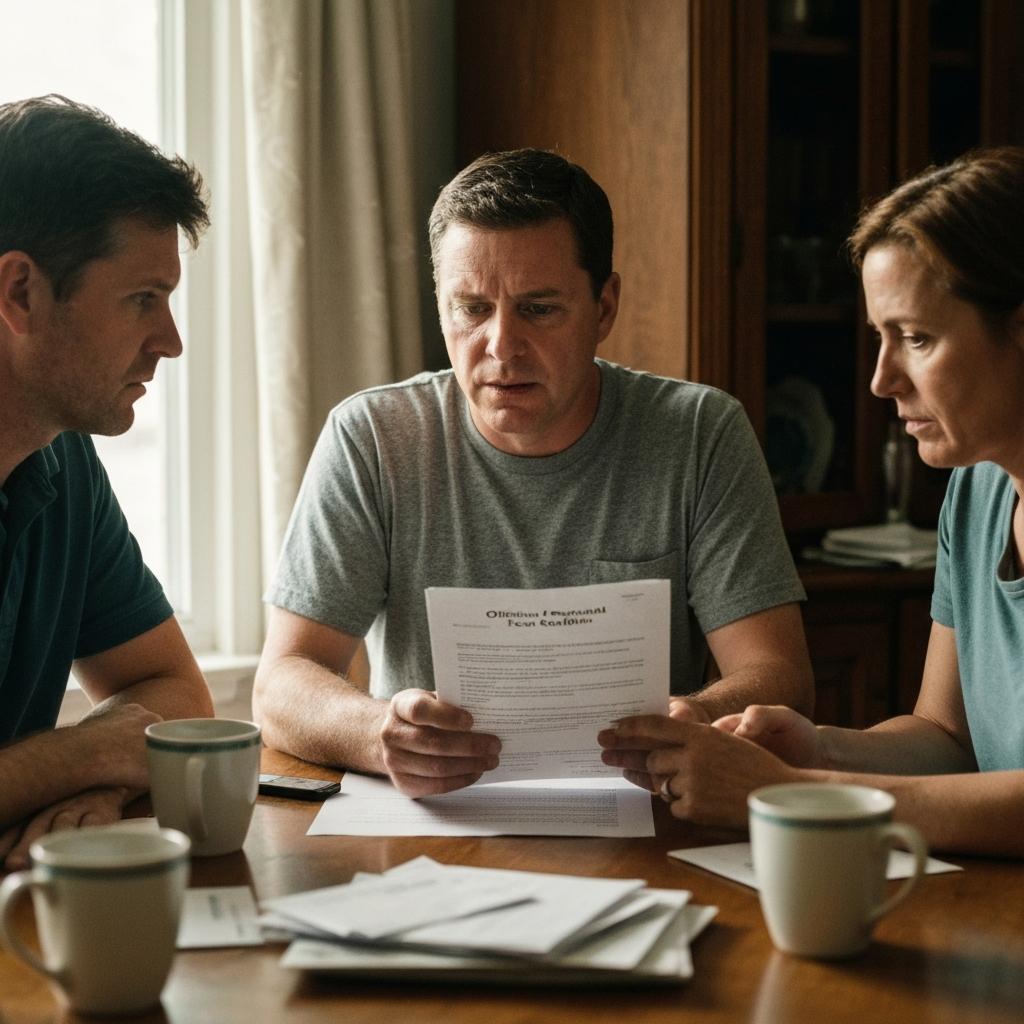
Disagreements over finances are common among co-heirs. If one heir consistently pays the taxes while others do not, Texas law allows the paying heir to file a contribution claim to recover the unpaid shares. Unfortunately, this legal action is expensive, time-consuming, and can permanently damage family relationships. Meanwhile, the clock is ticking on delinquency penalties.
Under the Texas Tax Code, unpaid property taxes accumulate steep penalties and interest quickly. This schedule often includes:
- February 1: A 7% penalty and interest charge is added.
- Each Following Month: Additional penalties and interest accrue.
- After July 1: If the account is sent to a collection attorney, fees of 15-20% can be added to the total balance.
Within a single year, penalties can exceed 40% of the original tax bill.
"When co-heirs are struggling over who pays the property taxes, the situation rarely improves on its own—the penalties keep adding up while the family relationship deteriorates. Our buyers purchase inherited properties as-is, with multiple offers within 24 hours. Most families find that selling quickly resolves not just the tax burden but the entire conflict, and they close in as little as 2 weeks." — Dallas Seely
If disputes become unresolvable, any co-heir can file a partition lawsuit to force a sale of the property. While this provides a definitive end, it is a costly and adversarial process. Selling the property voluntarily allows the heirs to control the timeline, avoid legal fees, and preserve family harmony.
How Property Taxes Are Handled at Closing When Selling a Jointly Inherited Texas Home
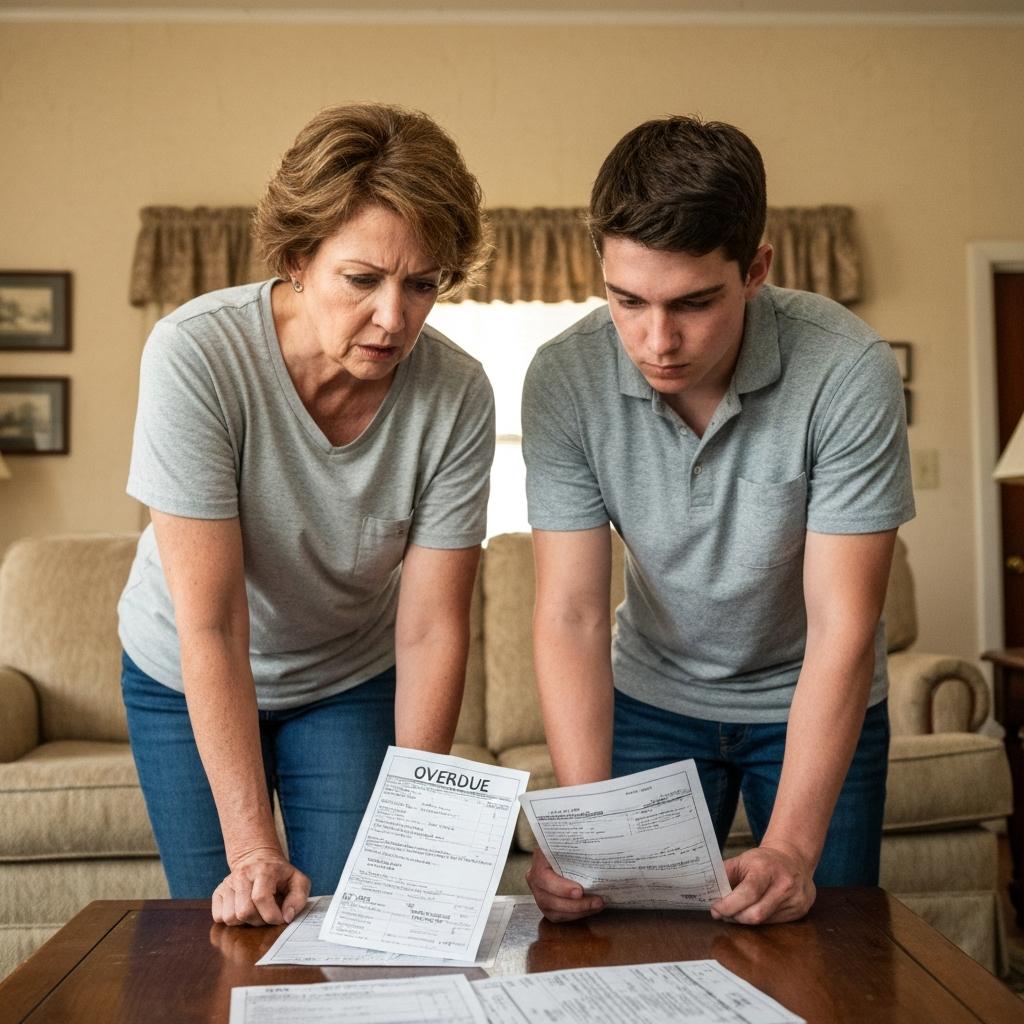
When co-heirs decide to sell, the closing process provides a clean and final resolution to all property tax issues. The title company handling the sale will conduct a thorough search for any outstanding tax liabilities, including delinquent amounts, penalties, and interest. These outstanding debts must be paid from the sale proceeds before the remaining funds are distributed to the heirs.
This system ensures the buyer receives a clear title, free of any tax liens from the previous owners. For the heirs, it means any tax disputes or delinquencies are automatically settled without requiring them to pay out of pocket before the sale. A probate real estate specialist like Dallas Seely understands this process and ensures these costs are properly accounted for during the transaction. Furthermore, heirs often benefit from a "stepped-up basis" for capital gains tax purposes, which can significantly reduce or eliminate taxes owed on the sale.
The Tax Deferral Option for Elderly or Disabled Co-Heirs
In situations where one co-heir is 65 or older or disabled and resides in the home, they may be able to defer property tax payments under the Texas Tax Code. By filing a tax deferral affidavit with the county appraisal district, they can postpone payments until the property is sold. Interest still accrues at a 5% annual rate, which is significantly lower than delinquency penalties. This can be a useful tool when co-heirs are in disagreement and one qualifying heir needs to remain in the home without facing foreclosure.
Why Choose Dallas Seely to Sell Your Jointly Inherited Texas Home

Selling a jointly inherited home with property tax burdens requires more than a traditional real estate agent; it requires a specialist who understands both the tax mechanics and the delicate family dynamics involved. Dallas Seely focuses exclusively on probate and inherited property, providing solutions tailored to the unique challenges co-heirs face. Having a probate attorney on staff means critical tax and legal questions get answered from one trusted source, eliminating confusion and delays. The Probate Realtor's network of pre-qualified buyers delivers certainty when heirs need it most, resolving tax delinquencies and family disputes with a fast, fair sale.
When you need to resolve tax issues on a jointly inherited property, working with an experienced probate specialist makes all the difference. Dallas Seely has built The Probate Realtor specifically to serve Texas families facing these unique challenges. The numbers speak for themselves: over $700 million in career sales, ranked in the top 0.1% of agents nationwide, and serving 300+ families annually throughout Texas. But statistics only tell part of the story. What matters most is the proven system that delivers results.
Multiple offers within 24 hours aren't just marketing claims—they're guarantees backed by an extensive network of pre-qualified buyers. The ability to sell as-is isn't a contingency—it's how every transaction works. Closing in 2 weeks isn't a best-case scenario—it's the standard timeline when families need speed. Additionally, having a probate attorney on staff means you receive both real estate and legal guidance from one trusted source. Learn more about Dallas Seely and his commitment to serving Texas families through difficult transitions.
To Discuss Your Inherited Property Sale, Call or Text (512) 777-9530 Today.
Serving Texas Families Throughout Austin, Dallas, Fort Worth, Houston, San Antonio, and Beyond
While this guide focuses on statewide Texas tax laws, The Probate Realtor serves executors and heirs across the state. Dallas Seely understands that inherited properties can be located anywhere, and families often live far from the home they've inherited. Each county, from Harris and Travis to Bexar, Dallas, and Tarrant, has its own appraisal district and procedures, making local expertise invaluable.
The Probate Realtor provides specialized probate real estate services in all major Texas markets, including Austin, Dallas, Fort Worth, Houston, and San Antonio. Dallas Seely's experience across Texas ensures you receive guidance specific to your property's location and your family's unique situation.
Whether your inherited property is in a major metropolitan area or a smaller Texas community, The Probate Realtor can help. With remote consultation capabilities and a network of buyers throughout the state, distance is never a barrier to getting multiple offers quickly. Having a probate attorney on staff further simplifies the process, providing Texas families with comprehensive support regardless of where the property is located.
Follow Dallas Seely and The Probate Realtor on social media for Texas probate real estate insights, inherited property tips, and market updates. Connect with us on X (Twitter) and Instagram for expert guidance.