When managing an inherited property in Texas, executors often wonder if they can generate rental income while the estate moves through the legal process. This practical question sits at the intersection of Texas probate law and real estate strategy, and the answer is crucial for maximizing the estate’s value. The ability to lease the property depends on several factors, including the type of administration and specific provisions within the Texas Estates Code. In this blog post, Texas probate real estate expert Dallas Seely discusses whether you can rent out an inherited property during probate in Texas, what the law actually requires, and how to decide if renting or selling is the right move for your estate.
Key Takeaways
- Texas law permits renting inherited property during probate, but the executor’s authority and lease duration determine whether court approval is required under the Texas Estates Code.
- Independent administration gives executors broader rental authority than dependent administration, making Texas one of the most flexible states for estate management.
- Renting a probate property can create complications for the eventual sale, including tenant-occupied sale discounts and extended timelines that may cost the estate more than the rental income generates.
- Selling the inherited property as-is during probate is often faster and more financially advantageous than managing a rental, with multiple offers possible within 24 hours.
Yes, Texas law allows an executor to rent out an inherited property during the probate process, but the specific rules hinge on the type of administration and the length of the lease. For leases under one year, an independent executor generally has the authority to act without court approval. However, for longer leases or in cases of dependent administration, the executor must seek permission from the court, which is why working with a specialist is critical to understand whether a quick, as-is sale might be a more financially sound option.
To Discuss Your Inherited Property Sale, Call or Text (512) 777-9530 Today for Multiple Offers Within 24 Hours.
Call Today To See How Much Your Inherited Property Is Worth – Sell Your Inherited Property Before or During Probate – Don’t Wait.
Dallas Seely has guided hundreds of Texas executors through this exact decision, serving over 300 families annually across Austin, Dallas, Fort Worth, Houston, and San Antonio. With over $700 million in career sales and a probate attorney on staff, The Probate Realtor offers both the real estate expertise and legal context families need when deciding whether to rent or sell an inherited property. This unique combination ensures executors receive comprehensive guidance from one trusted source.
Texas Probate Rental Authority: Independent vs. Dependent Administration
| Feature | Independent Administration | Dependent Administration |
|---|---|---|
| Lease Under 1 Year | No court approval required | Court approval required |
| Lease Over 1 Year | Court approval required (§357.002) |
Court approval required |
| Executor Authority Source | Texas Estates Code §401.002 |
Court-supervised at every step |
| Flexibility Level | High — executor acts independently | Low — court oversight required |
| Common In Texas? | Yes — Texas favors independent administration | Less common; typically contested estates |
| Time to Execute Rental | Days to weeks | Weeks to months (petition + hearing) |
Frequently Asked Questions
Yes, but only under independent administration and for leases of one year or less. Texas Estates Code §357.001 grants independent administrators this authority. Leases exceeding one year require court approval under §357.002 regardless of the administration type.
Independent administration is a Texas probate process that allows an executor to manage and sell estate assets, including real property, without court oversight at each step. Texas Estates Code §401.002 provides this authority, making Texas one of the most executor-friendly states in the country for estate management.
Temporarily renting a homestead property generally does not cause an immediate loss of the exemption, but it can complicate matters. Under Texas Tax Code §11.13, a property qualifies as a residence homestead if the owner uses it as their principal residence. Once the owner passes away, the exemption may continue for the surviving spouse or heirs, but converting it to an income-producing rental can signal a change in use to the county appraisal district. An executor should consult with the local appraisal district (such as Travis CAD or Harris CAD) to understand their specific rules before leasing the property.
Renting a homestead can be more complex than renting other types of real property because of the special protections it receives under the Texas Constitution. While an executor has a duty to manage estate assets, heirs may have vested rights in the homestead. In many cases, it is wise for the executor to obtain written consent from all beneficiaries before renting out a homestead property to avoid potential disputes later. This complexity is a primary reason many executors opt to sell property as-is to simplify the process and ensure a clean distribution of assets.
Tenant-occupied inherited properties often sell at a discount compared to vacant properties in Texas real estate markets, because buyers face additional complexity with lease assignments, delayed possession, and tenant negotiations. While Texas law allows executors to lease inherited property during probate under certain conditions, keeping a tenant in place can extend the time the estate remains open and reduce the net proceeds from the eventual sale. For most Texas executors, selling the inherited property as-is during probate results in faster estate settlement and quicker distribution to heirs.
What Texas Law Actually Says About Renting Inherited Property
The Texas Estates Code provides a clear framework for when an executor can rent estate property. The rules primarily depend on the type of administration—independent or dependent—and the duration of the proposed lease. Understanding these statutes is the first step in making an informed decision.
The Difference Between Short-Term and Long-Term Leases
The law distinguishes between leases that are one year or less and those that extend beyond one year. For independent administrators, this distinction is critical.
- Leases of One Year or Less: Under Texas Estates Code §357.001, an independent executor can lease real property for up to one year without needing court approval. This provides significant flexibility for generating short-term income.
- Leases Exceeding One Year: According to Texas Estates Code §357.002, any lease for a term longer than one year requires the executor to file an application and get an order from the probate court. This rule applies to both independent and dependent administrations.
This framework highlights a key advantage of the Texas probate system. The state heavily favors independent administration, which empowers executors to manage estate business efficiently without constant court supervision. For many, this means the authority to rent an inherited property is already granted by law.
What "Letters Testamentary" Mean for Your Rental Authority
Before you can sign a lease or even list a property for rent, you must have official authority from the court. This authority is granted through a document called Letters Testamentary (if there is a will) or Letters of Administration (if there is no will). This document serves as legal proof that you are the authorized representative of the estate. It is what you will show to potential tenants, property managers, and banks to prove you have the right to act on behalf of the estate.
"Most Texas executors don't realize how much authority they already have. Under independent administration, you can often lease an inherited property for up to a year without any court involvement. The real question isn't always 'can I rent it?'—it's 'should I rent it, and for how long?' That's where the analysis gets more nuanced." — Dallas Seely
Texas Homestead Law and Renting: What Executors Often Miss
A critical factor that is frequently overlooked is the property's homestead status. In Texas, the homestead exemption provides significant property tax benefits and protections from creditors. Converting a homestead property to a rental during probate can have unintended consequences that executors must consider carefully.
Does Renting Affect the Property Tax Exemption?
Temporarily renting a homestead property generally does not cause an immediate loss of the exemption, but it can complicate matters. Under Texas Tax Code §11.13, a property qualifies as a residence homestead if the owner uses it as their principal residence. Once the owner passes away, the exemption may continue for the surviving spouse or heirs, but converting it to an income-producing rental can signal a change in use to the county appraisal district. An executor should consult with the local appraisal district (such as Travis CAD or Harris CAD) to understand their specific rules before leasing the property.
Can an Executor Rent a Homestead Without Beneficiary Consent?
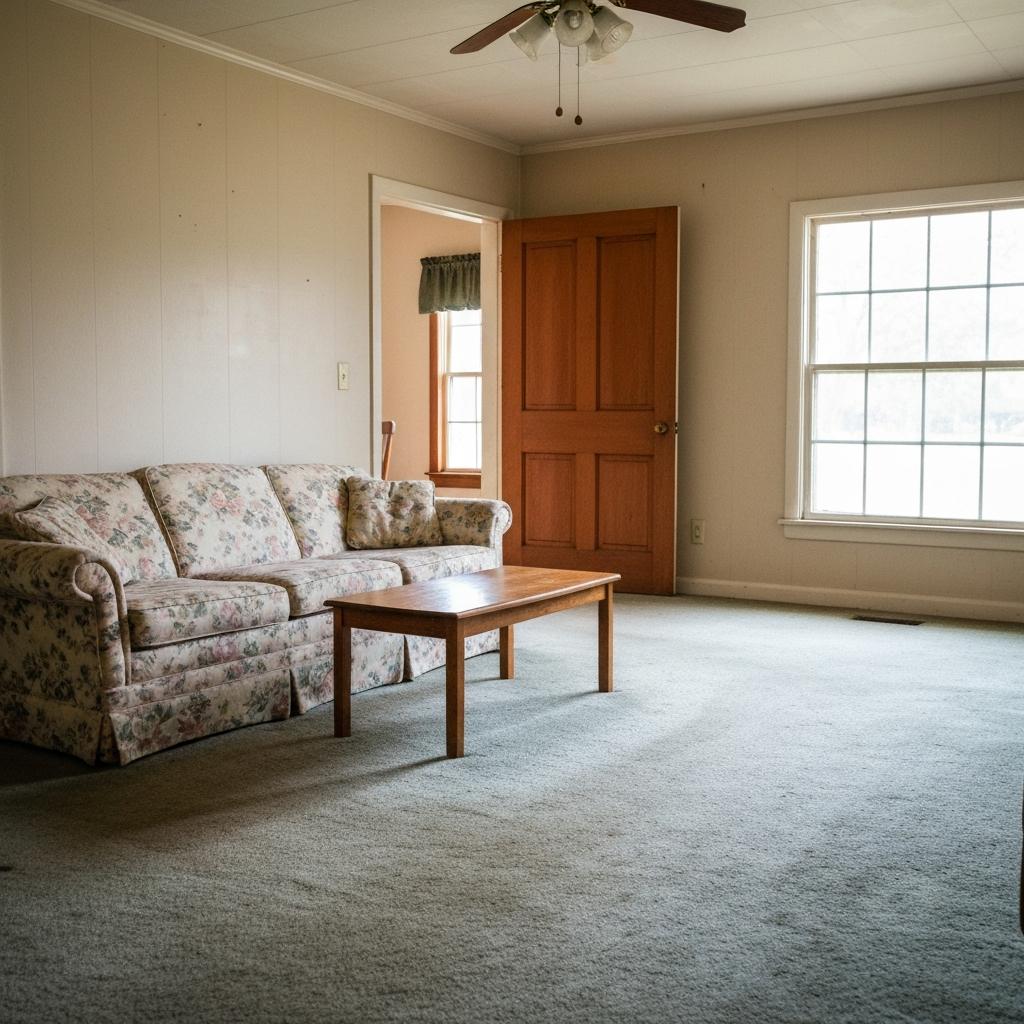
Renting a homestead can be more complex than renting other types of real property because of the special protections it receives under the Texas Constitution. While an executor has a duty to manage estate assets, heirs may have vested rights in the homestead. In many cases, it is wise for the executor to obtain written consent from all beneficiaries before renting out a homestead property to avoid potential disputes later. This complexity is a primary reason many executors opt to sell property as-is to simplify the process and ensure a clean distribution of assets.
Renting vs. Selling During Probate: Making the Right Call
While Texas law may permit renting, it is not always the most prudent financial decision for the estate. Executors must weigh the potential rental income against the carrying costs, potential impact on the property's sale value, and the added administrative burden.
The Financial Reality of Renting During Probate
Managing a rental property involves significant ongoing expenses. These costs can quickly eat into any rental income, especially during a potentially lengthy probate process.
- Carrying Costs: Executors must continue paying property taxes, homeowner's insurance (which often increases for a rental), HOA dues, and utilities.
- Maintenance: The property must be maintained in a habitable condition, meaning the estate is responsible for all repairs.
- Vacancy Risk: There is no guarantee the property will be rented continuously, but the bills will continue to arrive.
The probate timeline in Texas can vary widely, from 4-6 months for a simple estate to over a year in more complex cases or in counties with backed-up dockets like Harris County. A long probate period means these carrying costs can accumulate substantially.
Renting vs. Selling Inherited Property During Texas Probate: Decision Framework
| Renting During Probate | Selling During Probate (As-Is) |
|---|---|
| 30-60 days to first rent check | As fast as 2 weeks to closing |
| Property taxes + insurance + maintenance + HOA | None after closing |
| Sometimes (lease over 1 year or dependent admin) | Generally no for independent admin |
| Extends probate until tenant leaves or lease ends | Closes estate faster |
| Must meet habitability standards | As-is — no repairs required |
| Tenant-occupied homes may sell at a discount | Full market value offers possible |
| Ongoing landlord responsibilities | One-time transaction, then done |
| Delayed until property sells after probate | Faster distribution to heirs |
How a Tenant Affects the Property's Sale Value
One of the biggest downsides to renting during probate is the negative impact it can have on the property's eventual sale. Tenant-occupied properties are often more difficult to sell and may fetch a lower price. Potential buyers are deterred by the inability to occupy the home immediately and the hassle of dealing with an existing lease. For most estates, the goal is to maximize value, and having a tenant in place often works against that objective.
"I talk to executors every week who are considering renting the inherited home to 'buy time' during probate. What they often don't realize is that a tenant in place can actually hurt the eventual sale. In most situations, our clients are better served by selling as-is during probate, getting multiple offers within 24 hours, and closing in as little as 2 weeks. That financial certainty is hard to beat." — Dallas Seely
How to Rent Out an Inherited Property: A Step-by-Step Guide
If, after considering the risks, you decide renting is the right path, it is essential to follow the correct procedures to protect yourself and the estate.
- Step 1: Confirm Your Authority. Review your court documents to confirm you are serving under independent or dependent administration. Your Letters Testamentary are your proof of authority.
- Step 2: Review Existing Leases. If the property was already a rental, the existing lease survives the owner's death. You must honor its terms unless it contains a clause allowing for termination upon sale or death.
- Step 3: Handle Security Deposits Correctly. Texas Property Code §92.105 dictates how security deposits must be handled when a property changes ownership. Failure to comply can create liability for the executor.
- Step 4: Get Court Approval if Needed. If you are in a dependent administration or the lease is for more than one year, you must file a petition with the probate court and get an order authorizing the lease.
- Step 5: Document Everything. All rental income must be deposited into an estate bank account and meticulously tracked. This income must be reported on the estate's income tax return (Form 1041).
Why Choose Dallas Seely to Navigate Renting or Selling Inherited Property During Texas Probate
Deciding whether to rent or sell an inherited property involves legal requirements, market timing, financial analysis, and executor liability considerations that most agents are not equipped to address. Dallas Seely has built The Probate Realtor specifically for this complexity, serving families with a system that delivers multiple offers within 24 hours on as-is inherited properties. With a probate attorney on staff, legal questions about rental authority or court approval get answered from the same trusted source.
The numbers speak for themselves: over $700 million in career sales, ranked in the top 0.1% of agents nationwide, and serving 300+ families annually throughout Texas. But statistics only tell part of the story. What matters most is the proven system that delivers results. The ability to sell property as-is isn't a contingency—it's how every transaction works. Closing in as quickly as 2 weeks isn't a best-case scenario—it's the standard timeline when families need speed. This comprehensive support eliminates the confusion of coordinating between multiple professionals.
Learn more about Dallas Seely and his commitment to serving Texas families.
To Discuss Your Inherited Property Sale, Call or Text (512) 777-9530 Today.
Serving Texas Families Throughout the State with Probate Real Estate Expertise
While this guide addresses Texas probate rental and selling questions statewide, The Probate Realtor serves executors and heirs regardless of where the inherited property is located. Dallas Seely understands that probate properties can be anywhere in the state, and families often live far from the inherited home.
The Probate Realtor provides specialized probate real estate services in all major Texas markets, including Austin, Dallas, Fort Worth, Houston, and San Antonio. Each market has unique court procedures and characteristics, and Dallas Seely's experience across Texas ensures you receive guidance specific to your property's location.
Whether your inherited property is in a major metropolitan area or a smaller Texas community, The Probate Realtor can help. With remote consultation capabilities and a network of buyers throughout the state, distance is never a barrier to getting multiple offers quickly. Having a probate attorney on staff means Texas families receive both real estate and legal guidance, which is particularly valuable for out-of-state executors managing Texas estates remotely.
Follow Dallas Seely and The Probate Realtor on social media for Texas probate real estate insights, inherited property tips, and market updates. Connect with us on X (Twitter) and Instagram for expert guidance.
What happens to the value of an inherited Texas property if it has a tenant in place during probate?
Tenant-occupied inherited properties often sell at a discount compared to vacant properties in Texas real estate markets, because buyers face additional complexity with lease assignments, delayed possession, and tenant negotiations. While Texas law allows executors to lease inherited property during probate under certain conditions, keeping a tenant in place can extend the time the estate remains open and reduce the net proceeds from the eventual sale. For most Texas executors, selling the inherited property as-is during probate results in faster estate settlement and quicker distribution to heirs. For a confidential analysis of your specific inherited property situation, call or text (512) 777-9530 today.