When families in California inherit a home and begin navigating the probate process, one figure often catches them off guard: the probate referee. This court-appointed appraiser plays a legally required role in determining how an inherited property is valued, and that valuation directly shapes how the home can be sold. Understanding the probate referee’s duties, fee structure, and appraisal impact is essential for any executor or heir managing a California estate. In this blog post, California probate real estate expert Dallas Seely discusses the role of the California probate referee when selling an inherited home.
Key Takeaways
- The probate referee’s appraisal controls the minimum legal sale price; in a full court-confirmed sale, the accepted offer must equal at least 90% of the referee’s appraised value.
- Referee fees are calculated at 0.1% of appraised value, with a $75 minimum and a $10,000 maximum cap under California Probate Code §8960.
- The Independent Administration of Estates Act (IAEA) may allow personal representatives to sell without court confirmation, changing how the referee’s appraisal impacts the process.
- Working with a California probate real estate specialist helps executors navigate referee timelines, county-specific procedures, and sale price strategy to maximize outcomes.
The California probate referee is a court-appointed, state-licensed appraiser who determines the fair market value of estate assets, including real property, as of the decedent’s date of death. This appraisal establishes the legal minimum price for which an inherited home can be sold under California probate law, typically requiring the sale price to be at least 90% of the appraised value. Understanding this role helps executors set realistic expectations and proceed with the sale efficiently.
To Discuss Your Inherited Property Sale, Call or Text (512) 777-9530 Today for Multiple Offers Within 24 Hours.

You Cannot Get From Anyone Else in California
Most agents can list a property. Very few can solve the problems that come with probate. These are the advantages Dallas provides that others simply can’t.


NO UPFRONT ATTORNEY FEES
Probate legal fees can be floated until closing.
Dallas works with a preferred probabte legal team that can advance costs, so families are not forced to pay major legal fees out of pocket upfront.

SELL IN ANY CONDITION
No repairs, cleanup, or prep required.
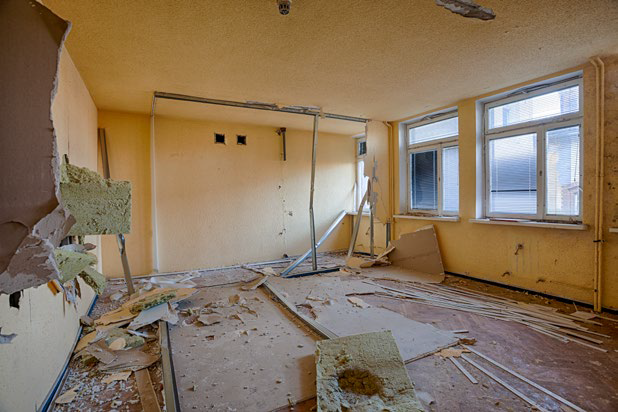
From deferred maintenance to harder conditions, Dallas has seen it all. The property’s condition does not have to delay the next step.


ACCESS MORE SERIOUS BUYERS
300+ institutional buyers. Multiple offers in 24 hours.
Dallas has access to a proprietary platform that exposes the property to major buyers across Texas, increasing speed and competitive pressure.


STOP THE PRESSURE FAST
Creditors and foreclosure can be stopped immediately.
Once the property is under contract, Dallas’s legal team can send notice to creditors and the mortgage servicer so proceedings pause immediately.
NO UPFRONT ATTORNEY FEES
Probate legal fees can be floated until closing.
Dallas works with a preferred probabte legal team that can advance costs, so families are not forced to pay major legal fees out of pocket upfront.
SELL IN ANY CONDITION
No repairs, cleanup, or prep required.
From deferred maintenance to harder conditions, Dallas has seen it all. The property’s condition does not have to delay the next step.
ACCESS MORE SERIOUS BUYERS
300+ institutional buyers. Multiple offers in 24 hours.
Dallas has access to a proprietary platform that exposes the property to major buyers across Texas, increasing speed and competitive pressure.
STOP THE PRESSURE FAST
Creditors and foreclosure can be stopped immediately.
Once the property is under contract, Dallas’s legal team can send notice to creditors and the mortgage servicer so proceedings pause immediately.
When the right person is guiding you, everything changes.
Ready to put these advantages to work?
Dallas Seely has guided more than 300 California families annually through the probate sale process, including the referee appraisal stage that many executors find confusing and time-consuming. With a probate attorney on staff, The Probate Realtor provides both real estate and legal guidance, answering questions about referee timelines, court confirmation requirements, and sale price thresholds that affect every inherited property sale in California.
What Is a California Probate Referee?
A California probate referee is a state-licensed appraiser appointed by the court to value the assets of a deceased person’s estate, including real property, as of the date of death. Referees are not selected by the family or the executor. Instead, they are assigned from a rotation list maintained by the California State Controller’s Office, which oversees referee appointments across all 58 California counties.
To become a probate referee, candidates must pass a qualifying examination and complete 15 hours of continuing education annually. This credentialing process ensures a consistent standard of professional competency across the state. The referee’s appraisal is a required component of the Inventory and Appraisal (Form DE-160), which must be filed with the probate court within four months of the executor’s appointment. Without it, the estate cannot proceed to sale through the probate process.
How the Probate Referee Differs from a Real Estate Appraiser
Many executors assume the probate referee performs the same function as a standard real estate appraiser, but the distinction is important. A probate referee determines the date-of-death value for legal and tax purposes. In contrast, a real estate appraiser determines the current market value for listing or lending purposes.
In California’s high-appreciation markets, the gap between these two figures can be substantial. A home in Los Angeles worth $900,000 at the time of death two years ago may be worth $1,100,000 today. This distinction matters because it affects both the minimum legal sale price and the potential capital gains tax exposure for beneficiaries. The step-up in basis is set at the referee’s date-of-death valuation, so selling above that amount may trigger capital gains tax.
California Probate Referee: Fee Calculation & Timeline at a Glance
| Data Point | California Requirement |
|---|---|
| Referee Fee Rate | 0.1% of appraised value |
| Minimum Fee | $75 |
| Maximum Fee Cap | $10,000 |
| Example: $800,000 home | $800 referee fee |
| Example: $1,200,000 home | $1,200 referee fee |
| Statutory I&A Filing Deadline | 4 months from executor appointment |
| Referee Appraisal Window | 60 days from assignment |
| Real-World LA County Timeline | 5-7 months (typical) |
| Real-World San Diego County Timeline | 4-5 months (typical) |
| Minimum Sale Price (Full Probate) | 90% of referee appraised value |
| Governing Probate Code | California Probate Code §8960 |
How the Probate Referee Appraisal Affects Your Inherited Home Sale
Once the probate referee completes the appraisal, that figure becomes the anchor for the entire sale process. In a full probate sale requiring court confirmation, California law mandates that any accepted offer equal at least 90% of the referee’s appraised value. This is commonly called the 90% minimum sale price rule. For example, if the referee appraises a home in Pasadena at $900,000, the minimum acceptable offer in a court-confirmed sale is $810,000.
After an offer is accepted, the court schedules a confirmation hearing. At that hearing, other buyers can submit overbids using a statutory formula. This process frequently drives the final sale price above the initial offer and well above the 90% floor. In California’s competitive markets like Los Angeles and Orange County, overbid hearings regularly produce sale prices that far exceed the referee’s date-of-death appraisal.
What Happens When the Sale Price Exceeds the Appraised Value?
Selling above the referee’s date-of-death appraisal is common in California and legally permissible. However, it carries tax implications. Because the estate’s cost basis for the property is set at the DOD value, beneficiaries may owe capital gains tax on the difference between that value and the final sale price.
This information is not intended as tax advice, and executors should consult with a CPA or tax attorney. Dallas Seely’s team includes a probate attorney on staff who can help answer related questions and connect families with the appropriate professionals.
“One of the most important things executors don’t realize is that the probate referee’s appraisal sets the legal floor for the sale price—but it doesn’t cap it. In active California markets, inherited homes regularly sell for well above the appraised value. Our job is to make sure you understand what that means for your timeline, your proceeds, and your tax exposure, so you can make the best decision for your family.” — Dallas Seely
Full Probate Sale vs. IAEA: How the Referee’s Role Changes
California offers two primary pathways for probate property sales, and the referee’s impact differs between them. The first is a Full Probate sale, which requires court confirmation. The second is a sale under the Independent Administration of Estates Act (IAEA), governed by California Probate Code §10500 et seq.
Under Full Probate, the referee’s appraisal triggers the 90% minimum floor, court confirmation is mandatory, and an overbid hearing may occur. Under IAEA authority, a referee appraisal is still required for the Inventory and Appraisal. However, the personal representative may sell the property without court confirmation, meaning the 90% floor and overbid process do not govern the final sale price. The IAEA pathway is generally faster and gives the representative greater flexibility to negotiate the best offer.
The Notice of Proposed Action Requirement
Under the IAEA, the personal representative must send a Notice of Proposed Action (NOPA) to all beneficiaries at least 15 days before completing the sale. If a beneficiary objects within that window, court confirmation becomes required, reactivating the 90% minimum rule. IAEA authority must be granted in the decedent’s will or by the court; it is not automatic.
The following factors typically guide which pathway applies:
- Whether the decedent’s will grants IAEA authority
- Whether all beneficiaries are cooperative and unlikely to object
- Whether disputes among heirs make court oversight preferable
- The urgency of the estate’s timeline and the cost of carrying the property
Full Probate Sale vs. IAEA Sale: A Comparison
| Factor | Full Probate Sale | IAEA Sale |
|---|---|---|
| Court Confirmation Required | Yes | No (unless objection) |
| 90% Minimum Sale Price Rule | Yes | No |
| Overbid Hearing | Yes | No |
| Beneficiary Notice Required | No | Yes (15-day NOPA) |
| Referee Appraisal Required | Yes | Yes |
| Typical Timeline | Longer (6-12+ months) | Faster (4-8 months typical) |
| Best For | Disputed estates, no IAEA authority | Cooperative heirs, will grants IAEA |
| Governing Code | California Probate Code | California Probate Code §10500 et seq. |
Why Choose Dallas Seely to Sell Your California Inherited Home

Navigating the probate referee process requires a real estate professional who can connect the appraisal to a real-world sale strategy. Dallas Seely’s team understands referee timelines in Los Angeles County (typically 5-7 months), San Diego County (typically 4-5 months), and Orange County, and plans the sale process accordingly. With a probate attorney on staff, The Probate Realtor answers legal questions about court confirmation, IAEA authority, and NOPA requirements without requiring executors to seek separate counsel.
When you need to sell an inherited California home, working with an experienced probate specialist makes all the difference. Dallas Seely has built The Probate Realtor specifically to serve California families facing these unique challenges. Unlike traditional agents who treat inherited properties like standard listings, Dallas understands what executors and heirs actually need.
The numbers speak for themselves: over $700 million in career sales, ranked in the top 0.1% of agents nationwide, and serving 300+ families annually throughout California. Multiple offers within 24 hours are backed by an extensive network of pre-qualified buyers actively seeking California properties. The ability to sell as-is is not a contingency; it is how every transaction works. Closing in 2 weeks is the standard timeline when families need speed.
Having a probate attorney on staff means you receive both real estate and legal guidance from one trusted source. Questions about executor authority, court approval requirements, or heir notifications get answered immediately.
Learn more about Dallas Seely and his commitment to serving California families through difficult transitions.
To Discuss Your Inherited Property Sale, Call or Text (512) 777-9530 Today.
Serving California Families Throughout Los Angeles and Beyond
While this guide focuses on the probate referee process statewide, The Probate Realtor serves executors and heirs throughout California with deep market knowledge in the state’s most active probate markets. Dallas Seely understands that inherited properties can be located anywhere in the state, and families often live far from the home they have inherited.
The Probate Realtor provides specialized California probate real estate services across the state’s primary markets, including Los Angeles, Orange County, and San Diego. Each market has distinct probate court procedures and referee assignment timelines, and Dallas Seely’s experience across all three ensures you receive guidance specific to your property’s location.
Whether an inherited property is in a major metropolitan area or a smaller California community, distance is never a barrier. Remote consultation capabilities and a statewide buyer network mean executors managing estates from out of state can still receive multiple offers quickly. Having a probate attorney on staff further supports California families, as referee timelines and court procedures vary meaningfully between Los Angeles County, Orange County, and San Diego County.
Follow Dallas Seely and The Probate Realtor on social media for California probate real estate insights, inherited property tips, and market updates. Connect with us on X (Twitter) and Instagram for expert guidance.
Frequently Asked Questions
In a full probate sale requiring court confirmation, California law requires that any accepted offer equal at least 90% of the probate referee’s appraised value. For example, if the referee appraises an inherited home at $900,000, the minimum acceptable offer at the court confirmation hearing is $810,000. This rule applies to full probate sales but does not govern sales conducted under IAEA authority, where the personal representative may negotiate the price without court confirmation.
California probate referees are appointed by the court from a rotation list maintained by the California State Controller’s Office, which oversees referee assignments across all 58 California counties. The family or executor does not choose the referee; the assignment is made automatically from the approved rotation pool. Referees must pass a qualifying examination and complete 15 hours of continuing education annually to maintain their appointment eligibility.
Yes, under the Independent Administration of Estates Act (IAEA), governed by California Probate Code section 10500 et seq., a personal representative with IAEA authority may sell an inherited home without court confirmation. However, the personal representative must still obtain a probate referee appraisal for the Inventory and Appraisal (Form DE-160) and must send a Notice of Proposed Action (NOPA) to all beneficiaries at least 15 days before completing the sale. If any beneficiary objects within that 15-day window, court confirmation becomes required.