Selling an inherited property in California raises an immediate legal question that affects everything from your timeline to your costs: is court confirmation required before you can close? The answer depends on how the property was held at the time of death and what authority the executor or administrator holds. California’s probate process offers multiple paths, and choosing the right one can save families months of delay. Understanding which route applies to your situation is the first step toward moving forward. In this blog post, California probate real estate expert Dallas Seely discusses whether court confirmation is required to sell an inherited property in California and how to navigate each path efficiently.
Key Takeaways
- Court confirmation is not always required: Executors with full IAEA authority can sell inherited property in California without a court hearing, saving months of delay.
- The type of authority granted determines the path: Full authority under the IAEA allows sales with only a Notice of Proposed Action; limited authority requires court confirmation with potential overbidding.
- Trust sales and joint tenancy transfers skip probate entirely: Properties held in a living trust or as joint tenancy can be sold without any court involvement.
- A specialized probate real estate expert accelerates every path: Whether court confirmation is required or not, The Probate Realtor delivers multiple offers within 24 hours and can close in as little as 2 weeks.
Whether you need court confirmation depends primarily on how the estate is administered and what authority the executor holds. Under the California Probate Code, executors granted full authority under the Independent Administration of Estates Act can often sell inherited property without a court hearing, provided proper notice procedures are followed. Working with a specialized probate real estate expert ensures families understand exactly which path applies to their situation and can move forward with confidence, often receiving multiple offers within 24 hours.

You Cannot Get From Anyone Else
Most agents can list a property. Very few can solve the problems that come with probate. These are the advantages Dallas provides that others simply can’t.


NO UPFRONT ATTORNEY FEES
Probate legal fees can be floated until closing.
Dallas works with a preferred probabte legal team that can advance costs, so families are not forced to pay major legal fees out of pocket upfront.
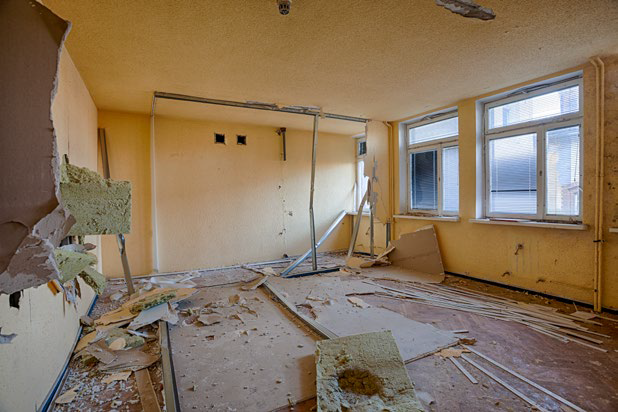

SELL IN ANY CONDITION
No repairs, cleanup, or prep required.
From deferred maintenance to harder conditions, Dallas has seen it all. The property’s condition does not have to delay the next step.


ACCESS MORE SERIOUS BUYERS
300+ institutional buyers. Multiple offers in 24 hours.
Dallas has access to a proprietary platform that exposes the property to major buyers across Texas, increasing speed and competitive pressure.


STOP THE PRESSURE FAST
Creditors and foreclosure can be stopped immediately.
Once the property is under contract, Dallas’s legal team can send notice to creditors and the mortgage servicer so proceedings pause immediately.
NO UPFRONT ATTORNEY FEES
Probate legal fees can be floated until closing.
Dallas works with a preferred probabte legal team that can advance costs, so families are not forced to pay major legal fees out of pocket upfront.
SELL IN ANY CONDITION
No repairs, cleanup, or prep required.
From deferred maintenance to harder conditions, Dallas has seen it all. The property’s condition does not have to delay the next step.
ACCESS MORE SERIOUS BUYERS
300+ institutional buyers. Multiple offers in 24 hours.
Dallas has access to a proprietary platform that exposes the property to major buyers across Texas, increasing speed and competitive pressure.
STOP THE PRESSURE FAST
Creditors and foreclosure can be stopped immediately.
Once the property is under contract, Dallas’s legal team can send notice to creditors and the mortgage servicer so proceedings pause immediately.
When the right person is guiding you, everything changes.
Ready to put these advantages to work?
To Discuss Your Inherited Property Sale, Call or Text (512) 777-9530 Today for Multiple Offers Within 24 Hours.
Dallas Seely specializes in California probate real estate and has guided hundreds of executors and heirs through both court-confirmed and non-court-confirmed inherited property sales. With a probate attorney on staff, The Probate Realtor provides the rare combination of legal guidance and real estate execution that families need when navigating California’s complex probate process. Over $700 million in career sales and 300-plus families served annually confirm that Dallas Seely understands every path to closing an inherited property sale in California.
Do You Need Court Confirmation to Sell Inherited Property in California?
Understanding When Court Confirmation Is Required in California
California law provides executors with meaningful flexibility when selling inherited real estate, but that flexibility depends entirely on the authority the estate holds. Knowing the difference between full authority and limited authority under the Independent Administration of Estates Act is the foundation of every probate property sale decision in the state.
What Is the Independent Administration of Estates Act (IAEA)?
The Independent Administration of Estates Act, governed by California Probate Code sections 10400 through 10592, allows executors to take many estate actions without court supervision. Full IAEA authority is the broadest grant: it covers selling real property, borrowing money against estate assets, and a wide range of other transactions. Limited authority is narrower and excludes real property sales from the independent process. Importantly, IAEA authority is not automatic. The executor must petition the court for it, typically at the time of the initial probate filing, and the court must grant it.
Selling with Full IAEA Authority: The Notice of Proposed Action
When the executor holds full IAEA authority, selling an inherited property follows a streamlined process called the Notice of Proposed Action (NOPA). The executor sends written notice to all interested parties, who then have 15 days to object. If no objection is filed within that window, the sale proceeds without any court hearing. If a beneficiary does object, the executor must seek court confirmation before closing. In practice, most NOPA-based sales in California move smoothly when heirs are aligned and the property is priced correctly from the start.
When Court Confirmation Is Required
Four scenarios typically trigger the court confirmation requirement in California:
- The executor holds limited IAEA authority only, which excludes real property sales.
- The executor holds no IAEA authority and operates under dependent administration.
- A beneficiary objects to the NOPA within the 15-day window.
- The decedent’s will specifically requires court confirmation of any real property sale.
In these situations, the executor must file a Petition for Court Confirmation (DE-260 form) with the probate court. Once the court issues the Order Confirming Sale (DE-265 form), escrow can close. This process adds approximately 2 to 4 months to the overall timeline.
“Many executors come to us worried that court confirmation will take forever and derail the sale. The reality is that if you work with an experienced probate real estate specialist, we know exactly which path applies to your situation from day one. When court confirmation is required, we prepare everything correctly the first time so there are no unnecessary delays.” — Dallas Seely
The Court Confirmation Process Step by Step
For estates that do require court confirmation, understanding each step in advance prevents costly mistakes and timeline surprises. California probate real estate expert Dallas Seely has guided hundreds of families through this exact process across Los Angeles, Orange County, and San Diego.
Step 1: Obtain Letters Testamentary or Letters of Administration
Before any sale can proceed, the executor must obtain official authority from the probate court. Letters Testamentary (when there is a will) or Letters of Administration (when there is no will) authorize the executor to act on behalf of the estate. No sale, listing agreement, or offer acceptance is legally valid without this document in hand.
Step 2: Obtain a Probate Referee Appraisal
California requires a probate referee appointed by the State Controller’s Office to appraise all estate real property. The referee’s fee is typically 0.1% of the gross estate value, approximately $750 on a $750,000 property. The appraisal process takes 2 to 6 weeks depending on the county and the property’s complexity. Critically, the appraised value establishes the minimum acceptable offer for a court-confirmed sale: accepted offers must be at least 90% of the probate referee’s appraised value.
Step 3: List the Property and Accept a Qualifying Offer
The property is typically listed on the MLS during this period, and the executor accepts the highest qualifying offer at or above the 90% threshold. Real estate agent compensation in court-confirmed sales is governed by California Probate Code sections 10160 through 10165. Working with a probate-specialized agent ensures the listing, pricing, and offer acceptance all comply with these specific requirements.
Step 4: File the Petition for Court Confirmation (DE-260)
After accepting an offer, the executor files the DE-260 petition with the probate court. Filing fees range from approximately $435 to $550 depending on the county. The court then schedules a confirmation hearing, typically 4 to 8 weeks after filing. In Los Angeles Superior Court’s probate division at the Stanley Mosk Courthouse, scheduling timelines can vary based on current caseload.
Step 5: Attend the Confirmation Hearing and Overbid Process
At the hearing, the accepted offer is presented to the judge. Outside buyers may appear and overbid on the property. California’s minimum overbid formula requires the competing offer to exceed the accepted price by at least 10% of the first $10,000 plus 5% of the remainder. On a $500,000 accepted price, the minimum overbid is $525,500. If an overbid succeeds, the original buyer is released from the contract. After the court confirms the winning offer, it issues the DE-265 Order Confirming Sale and escrow proceeds to closing.
California Probate Sale: Timeline and Cost Overview
Timeline Comparison
| Sale Path | Average Timeline | Court Involvement | Overbid Risk |
|---|---|---|---|
| Trust Sale | 30-90 days | None | None |
| Joint Tenancy Transfer | 30-60 days | None | None |
| Full IAEA Authority (No Objection) | 30-90 days within probate | Minimal (NOPA only) | None |
| Full IAEA Authority (Objection Filed) | Adds 2-4 months | Court confirmation required | Yes |
| Limited/No IAEA Authority | Adds 2-4 months | Court confirmation required | Yes |
Court Confirmation Cost Snapshot (California 2024-2025)
| Cost Item | Approximate Amount | Notes |
|---|---|---|
| Probate Referee Fee | 0.1% of gross estate value | State-appointed; ~$750 on $750K property |
| DE-260 Petition Filing Fee | $435 - $550 | Varies by county |
| Attorney Fees (Statutory) | 4% of first $100K, 3% of next $100K, 2% of next $800K | Per Probate Code section 10800 |
| Real Estate Commission | 5-6% (court-approved) | Per Probate Code sections 10160-10165 |
| Overbid Deposit | Typically 10% cashier's check | Required at hearing from competing buyers |
Selling Inherited Property Without Court Confirmation in California
Many California families discover that court confirmation is not required at all. Three common scenarios allow inherited property to be sold without a court hearing, and each carries its own procedural path.
Trust Sales: The Fastest Path for Inherited Property
Properties held in a revocable living trust avoid probate entirely. The successor trustee steps into authority immediately after the grantor's death and can sell the property without any court involvement. A typical trust sale closes in 30 to 90 days, comparable to a standard real estate transaction. The trustee still owes fiduciary duties to beneficiaries and must act within the trust document's terms. Working with a probate-specialized agent ensures the trust sale is documented correctly for title and escrow purposes.
Joint Tenancy Transfers: When the Survivor Sells
Property held in joint tenancy automatically passes to the surviving owner upon the other owner's death. No probate is required. The surviving joint tenant files an Affidavit of Survivorship along with a certified death certificate with the county recorder, and the property can then be sold as a standard transaction. This process typically resolves within 30 to 60 days from the date of death.
Full IAEA Authority: Selling Efficiently Within Probate
When probate is required but the executor holds full IAEA authority, the property can still be sold efficiently through the Notice of Proposed Action process. The key is correct pricing from the start. A well-priced property with aligned heirs rarely triggers a NOPA objection, keeping the transaction on the faster non-court-confirmation track.
"Executors often assume they need court confirmation no matter what. In many cases, that assumption costs families months of unnecessary waiting. Our first step is always to determine exactly what authority the estate has and design the fastest, most legally sound path to closing. Multiple offers within 24 hours are possible regardless of whether court confirmation is required." — Dallas Seely
Key California Probate Considerations That Affect Your Sale
Beyond the court confirmation question itself, several California-specific factors shape the overall sale strategy for inherited properties. Awareness of these issues helps executors and heirs avoid costly surprises.
Proposition 19 and the Decision to Sell or Hold
Proposition 19, effective February 2021, significantly changed property tax reassessment rules for inherited real estate in California. The parent-child transfer exclusion now requires the inheriting child to use the property as a primary residence within one year to avoid a full reassessment to current market value. For heirs who do not intend to live in the inherited property, selling promptly often avoids the ongoing tax burden of full reassessment. The step-up in basis at the date of death also typically minimizes capital gains exposure for heirs who sell relatively soon after inheriting. A California CPA can provide estate-specific guidance on the tax implications.
Selling Inherited Property with Multiple Heirs
California inherited properties frequently involve multiple heirs who must agree on the sale strategy. When all heirs consent, the executor can proceed on the agreed path efficiently. When heirs disagree, complications arise quickly. One dissenting heir can object to a NOPA, triggering court confirmation. In cases of fundamental disagreement, California's Partition of Real Property Act, updated in 2023, provides a legal pathway. Mediation is often faster and less expensive than litigation for multi-heir disputes. The Probate Realtor works with families in these situations and coordinates with probate attorneys to find workable solutions.
Why Choose Dallas Seely to Sell an Inherited Property in California

Navigating court confirmation rules, IAEA authority, probate referee appraisals, and overbid procedures requires specialized knowledge that most real estate agents simply do not have. Dallas Seely and The Probate Realtor approach every inherited property sale with a clear first step: determine exactly what authority the estate holds, then design the fastest legally sound path to closing. The probate attorney on staff means families receive an immediate answer to the court confirmation question without paying for a separate legal consultation.
When you need to sell an inherited property in California, working with an experienced probate specialist makes all the difference. Dallas Seely has built The Probate Realtor specifically to serve California families facing these unique challenges. Unlike traditional agents who treat inherited properties like standard listings, Dallas understands what executors and heirs actually need.
The numbers speak for themselves: over $700 million in career sales, ranked in the top 0.1% of agents nationwide, and serving 300+ families annually throughout California. But statistics only tell part of the story. What matters most is the proven system that delivers results.
Multiple offers within 24 hours aren't just marketing claims—they're guarantees backed by an extensive network of pre-qualified buyers actively seeking California properties. The ability to sell as-is isn't a contingency—it's how every transaction works. Closing in 2 weeks isn't a best-case scenario—it's the standard timeline when families need speed.
Additionally, having a probate attorney on staff means you receive both real estate and legal guidance from one trusted source. Questions about executor authority, court approval requirements, or heir notifications get answered immediately. This comprehensive support eliminates the confusion of coordinating between multiple professionals.
Learn more about Dallas Seely and his commitment to serving California families through difficult transitions.
To Discuss Your Inherited Property Sale, Call or Text (512) 777-9530 Today.
Serving California Families Throughout Los Angeles, Orange County, and Beyond
While this guide focuses on California probate court confirmation rules broadly, California probate real estate sales often concentrate in the state's largest markets where the combination of high property values and complex estates makes specialized representation essential. The Probate Realtor serves executors and heirs throughout the state, with deep familiarity in every major market.
The Probate Realtor provides specialized probate real estate services across California's primary markets, including Los Angeles, Orange County, and San Diego. Each market carries distinct probate court procedures, local real estate dynamics, and pricing considerations. Dallas Seely's experience across all three regions ensures inherited property sellers receive guidance that reflects the specific realities of their property's location.
Whether the inherited property is located in a coastal Los Angeles neighborhood, an Orange County suburb, or a San Diego community, distance is never a barrier. Remote consultation capabilities allow executors managing estates from outside California to receive the same quality guidance and the same multiple-offer results as local clients.
Having a probate attorney on staff means California families receive both real estate and legal guidance from a single trusted source, regardless of where within the state the inherited property is located. This comprehensive support simplifies estate administration for out-of-state heirs managing California property from afar.
Follow Dallas Seely and The Probate Realtor on social media for California probate real estate insights, inherited property tips, and market updates. Connect with us on X (Twitter) and Instagram for expert guidance.
Frequently Asked Questions
In California court-confirmed probate sales, accepted offers must be at least 90% of the probate referee's appraised value. This 90% threshold is the minimum qualifying offer price under California Probate Code sections 10300 through 10316. The probate referee, appointed by the State Controller's Office, establishes the appraised value that sets this floor for all court-confirmed sale offers.
The Independent Administration of Estates Act (IAEA), governed by California Probate Code sections 10400 through 10592, allows executors to sell inherited property without a court confirmation hearing when the court has granted them full authority. The executor must petition for IAEA authority at the time of the initial probate filing; it is not granted automatically. When full IAEA authority is in place, the executor issues a Notice of Proposed Action giving beneficiaries 15 days to object before the sale proceeds.
Two primary forms govern the court confirmation process in California. The DE-260 (Petition for Court Confirmation of Sale of Real Property) is filed by the executor after an offer is accepted, triggering the court hearing. Once the judge approves the sale at the confirmation hearing, the court issues the DE-265 (Order Confirming Sale of Real Property), which authorizes escrow to close and the deed to transfer.
Ready to Move Forward? Let's Talk About Your Inherited Property
Navigating probate real estate doesn't have to be overwhelming. Having the right guidance makes all the difference. Whether you've just begun the probate process or you're ready to sell an inherited property, we're here to help.
Why Families Trust Dallas Seely with Their Probate Real Estate
Dallas Seely founded The Probate Realtor to help California families through challenging transitions. He brings both expertise and empathy to every probate situation. Most importantly, he has a proven track record of results.
Proven Track Record:
- Over $700M in career sales
- Top 0.1% of agents nationwide
- Top 3 real estate professional in California
- Top 10 in Central Texas
- 300+ families served annually
These aren't just numbers. They represent hundreds of families who've successfully navigated probate real estate sales. Many did so during the most difficult times of their lives.
A Different Approach to Probate Real Estate
Most real estate agents treat inherited properties like standard listings. However, Dallas understands the unique pressures executors and heirs face.
Time-sensitive decisions create stress. Family dynamics add complexity. Property maintenance costs pile up. The weight of responsibility feels heavy. Because of these challenges, you need a specialized approach.
That's why Dallas developed a streamlined process. It eliminates the traditional hassles:
- No repairs or improvements needed. You can sell the property as-is.
- No lengthy listing periods. Move forward on your timeline.
- No showings or open houses. Avoid the disruption and stress.
- Multiple offers within 24 hours. Compare options and choose what works best.
This isn't about pushing a quick sale. Instead, it's about giving you real options. You'll get the information you need to make confident decisions during an uncertain time.
Comprehensive Support Beyond the Sale
The Probate Realtor offers more than just real estate services. We provide complete support throughout the entire process.
Full-Service Property Management: Managing an inherited property from a distance can be overwhelming. Therefore, we handle everything you need:
- Property clean-outs and estate sales. We coordinate professional services to clear the home.
- Vendor orchestration. We connect you with trusted contractors for any needed services.
- Regular property checks. Weekly inspections ensure the home stays secure.
- Title clearing and coordination. We work with title companies to resolve any issues.
Executor Support and Guidance: As an executor or heir, you're navigating unfamiliar territory. We provide hands-on coaching throughout the real estate aspects of probate:
- Clear explanations of each step in the process
- Coordination with estate attorneys and other professionals
- Guidance on timing and decision-making
- Support with family communication about the property
Legal Guidance from Probate Attorney on Staff: Questions about probate procedures don't wait for business hours. That's why The Probate Realtor has a probate attorney on staff. This unique resource means you get both real estate expertise and legal guidance in one place. Whether you need clarification on court requirements, executor responsibilities, or heir rights, you have direct access to legal counsel.
Guaranteed Responsiveness: Questions don't wait for business hours. That's why we guarantee a response within 24 hours. This commitment sets us apart in an industry where responsiveness is often lacking. Your questions are always welcome. Your concerns are always addressed promptly.
Statewide California Expertise with Remote Convenience
Dallas serves families throughout the entire state of California. He has a deep understanding of California probate procedures. Additionally, he knows local market conditions across all regions. He also understands the unique challenges of inherited property sales.
Primary Markets Served:
- Los Angeles
- Orange County
- San Diego
Your inherited property might be in a major metropolitan area. Or it might be in a smaller community anywhere across the state. Either way, Dallas has the expertise and network to help you achieve the best possible outcome.
Virtual Consultations Available: Many heirs and executors don't live near the inherited property. Therefore, we offer complete remote services. You can handle everything virtually if needed:
- Initial consultations via video call
- Electronic document signing where permitted
- Regular updates via your preferred communication method
- Never need to visit the property if you choose not to
This flexibility means you can move forward regardless of where you live. Distance doesn't have to slow down the process.
How Quickly Can You Move Forward?
Speed matters when you're managing an estate. Here's what you can expect:
Within 24 Hours:
- Multiple offers on your property
- Initial consultation scheduled
- Questions answered
Within 2-3 Weeks:
- Property sold and closed (if you choose this timeline)
- Funds distributed according to estate requirements
- Property responsibilities lifted from your shoulders
Throughout the Process:
- Regular communication and updates
- Coordination with all necessary parties
- Support every step of the way
Get Started Today
Every day spent worrying about an inherited property is a day you don't get back. Let's start a conversation about your situation. There's no pressure and no obligation. Just honest guidance and real solutions.
Get Multiple Offers in 24 Hours
Text "Probate" to (512) 777-9530
Or Schedule a Free Consultation
Call (512) 777-9530 to speak directly with Dallas
Email: [email protected]
The probate process can feel heavy. But you don't have to carry it alone. Dallas Seely brings decades of experience and proven results. He's committed to serving families with compassion and integrity. Because of this, he's the trusted partner you need during this transition.
Serving families across California through life's hardest transitions.