When selling a probate property in California, executors and personal representatives must follow specific legal procedures before a sale can close. One of the most important steps is the Notice of Proposed Action, a formal legal notification required under California Probate Code Sections 10580 through 10592. Understanding this notice protects both the personal representative and the heirs throughout the sale process. California’s probate procedures differ significantly from other states, making local expertise essential for a smooth transaction. In this blog post, California probate real estate expert Dallas Seely discusses what a Notice of Proposed Action is and how it affects the sale of a probate property in California.
Key Takeaways
- A Notice of Proposed Action (NOPA) is a required legal notice sent to all heirs and beneficiaries before a California probate property sale can close, giving them 15 days to object or provide written consent.
- When no one objects to the NOPA, the sale proceeds without a court confirmation hearing, saving executors weeks or months and allowing the estate to close as quickly as 2 weeks after the notice period expires.
- The NOPA must include the sale price, terms, and commission disclosure under California Probate Code Section 10585, making proper preparation essential for a legally compliant probate sale.
- Working with a specialized probate real estate expert ensures the NOPA process is handled correctly, protecting the executor from personal liability and keeping the sale on track.

You Cannot Get From Anyone Else in California
Most agents can list a property. Very few can solve the problems that come with probate. These are the advantages Dallas provides that others simply can’t.


NO UPFRONT ATTORNEY FEES
Probate legal fees can be floated until closing.
Dallas works with a preferred probabte legal team that can advance costs, so families are not forced to pay major legal fees out of pocket upfront.
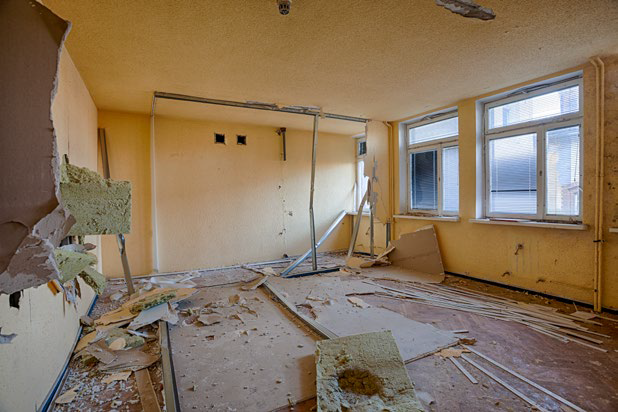

SELL IN ANY CONDITION
No repairs, cleanup, or prep required.
From deferred maintenance to harder conditions, Dallas has seen it all. The property’s condition does not have to delay the next step.


ACCESS MORE SERIOUS BUYERS
300+ institutional buyers. Multiple offers in 24 hours.
Dallas has access to a proprietary platform that exposes the property to major buyers across Texas, increasing speed and competitive pressure.


STOP THE PRESSURE FAST
Creditors and foreclosure can be stopped immediately.
Once the property is under contract, Dallas’s legal team can send notice to creditors and the mortgage servicer so proceedings pause immediately.
NO UPFRONT ATTORNEY FEES
Probate legal fees can be floated until closing.
Dallas works with a preferred probabte legal team that can advance costs, so families are not forced to pay major legal fees out of pocket upfront.
SELL IN ANY CONDITION
No repairs, cleanup, or prep required.
From deferred maintenance to harder conditions, Dallas has seen it all. The property’s condition does not have to delay the next step.
ACCESS MORE SERIOUS BUYERS
300+ institutional buyers. Multiple offers in 24 hours.
Dallas has access to a proprietary platform that exposes the property to major buyers across Texas, increasing speed and competitive pressure.
STOP THE PRESSURE FAST
Creditors and foreclosure can be stopped immediately.
Once the property is under contract, Dallas’s legal team can send notice to creditors and the mortgage servicer so proceedings pause immediately.
When the right person is guiding you, everything changes.
Ready to put these advantages to work?
A Notice of Proposed Action (NOPA) is a formal notification sent to all heirs and beneficiaries before a California probate property sale can close, giving them 15 days to object or provide written consent. When no one objects, the sale proceeds without a court confirmation hearing, saving the executor weeks or months in the California probate timeline. This streamlined pathway is one of the most important advantages available to personal representatives with full authority under the Independent Administration of Estates Act.
To Discuss Your Inherited Property Sale, Call or Text (512) 777-9530 Today for Multiple Offers Within 24 Hours.
Dallas Seely has guided hundreds of California executors and personal representatives through the NOPA process, ensuring every notification is compliant with California Probate Code and every sale proceeds on the fastest possible timeline. With a probate attorney on staff and over $700 million in career sales, The Probate Realtor provides both the legal knowledge and the real estate expertise that personal representatives need when navigating a probate property sale in Los Angeles, Orange County, or San Diego.
What Is a Notice of Proposed Action in California Probate?
A Notice of Proposed Action is a statutory notice that a personal representative must send to interested parties before completing a significant estate action, such as selling real property. The governing framework is California Probate Code Sections 10580 through 10592, which establish who must be notified, what information must be included, and what rights recipients have upon receiving the notice. The NOPA exists to protect heirs and beneficiaries by giving them a meaningful opportunity to review and, if necessary, challenge proposed estate transactions before they become final.
The official form used for this notice is Judicial Council Form DE-165. This document must be completed accurately and served on all heirs, beneficiaries, and other interested persons identified in the probate proceeding. The NOPA is not optional; it is a legal prerequisite to closing a probate property sale when the personal representative is acting under full authority.
What Does the NOPA Actually Include?
California Probate Code Section 10585 specifies the required contents of the DE-165. Every NOPA must include the proposed sale price and terms, a description of the property, the name and relationship of the buyer if known, and a statement of the recipient’s right to object and how to exercise that right. Critically, the form must also disclose the real estate commission amount and who receives it.
“Most executors don’t realize that the Notice of Proposed Action has to include the real estate commission as a specific line item. That’s not just a formality; it’s a legal requirement under California Probate Code Section 10585. When that disclosure is missing or incomplete, it can expose the personal representative to objections that have nothing to do with the sale price itself.” — Dallas Seely
This commission disclosure requirement is something many general real estate agents overlook entirely. A specialized probate agent who understands California Probate Code ensures every element of the DE-165 is completed correctly before the notice period begins.
California NOPA Sale Timeline: From Listing to Close
Stage 1: Property Listed(Day 1)
Executor lists the probate property with The Probate Realtor, initiating the specialized sales process.
Stage 2: Offer Accepted(Days 7-14)
Multiple competitive offers are received within 24 hours. The executor reviews and accepts the best offer.
Stage 3: NOPA Prepared & Served(Days 14-21)
Form DE-165 is completed with sale price, terms, and commission, then served to all heirs by mail.
Stage 4: Notice Period Runs(Days 21-41)
A 15-day period (20 days by mail) allows heirs to consent or object. Silence is considered consent.
Stage 5: No Objections Received(Day 41)
With the notice period cleared, the sale proceeds without needing a court confirmation hearing.
Stage 6: Escrow Opens & Closes(Days 41-60)
Standard California probate escrow begins. The title company requires all NOPA documentation to issue title insurance.
Stage 7: Close of Escrow(Days 60-90)
The sale is finalized, the estate receives the proceeds, and the executor distributes funds per court order.
Potential Delay: Objection Filed
If an heir files an objection to the NOPA, this timeline is extended. Expect to add 45-90 additional days for a court confirmation hearing in Los Angeles or Orange County.
Full Authority vs. Limited Authority Under IAEA
The NOPA process is only available when the personal representative has full authority under California’s Independent Administration of Estates Act (IAEA). Full authority is typically granted in the decedent’s will or can be petitioned for when the estate is opened. When a personal representative holds full authority, they can sell estate real property using the NOPA procedure without seeking prior court approval, provided the notice period passes without objection.
Limited authority changes everything. Under limited authority, the personal representative cannot use the NOPA pathway for real property sales. Instead, they must petition the court for confirmation, which adds significant time and complexity to the transaction. In most California counties, court confirmation adds 45 to 90 days to the overall timeline, and in Los Angeles County, court backlogs can extend that wait even further.
What If the Estate Has Limited Authority?
When a personal representative holds only limited authority, or when a beneficiary objects to a properly served NOPA, the sale converts to a court confirmation process. The personal representative must file a petition, a hearing date is set by the judge, and all interested parties receive notice of the hearing. This pathway is longer, more expensive, and introduces the risk of competitive overbidding at the court hearing. Executors in Los Angeles, Orange County, and San Diego should confirm their authority level with their probate attorney before listing the property. Having a probate attorney on staff, as The Probate Realtor does, eliminates the confusion of coordinating this question across multiple professionals.
The 15-Day Notice Period and When You Can Close Escrow
The standard objection window under California Probate Code Section 10590 is 15 days from the date of personal service. However, most NOPAs in California are served by first-class mail rather than personal delivery. Under California Code of Civil Procedure Section 1013, mailed service adds five days to the response period, making the effective window 20 days in virtually every standard California probate sale. This distinction matters enormously for escrow planning. An escrow that closes before the 20-day window expires on a mailed NOPA creates a title insurance problem that can unwind the entire transaction.
Realistic timeline expectations are essential for personal representatives. From the date the property is listed to the date escrow closes, a California NOPA sale typically runs 60 to 90 days. The timeline breaks down roughly as follows: 7 to 14 days to receive and accept offers, 7 days to prepare and serve the NOPA, 20 days for the mail notice period to run, and 14 to 30 days to close escrow after the period expires. Delays in serving the NOPA or complications with heir location can extend this timeline, particularly in Los Angeles County where diverse diaspora communities mean out-of-state and international service is more common than in other markets.
Beneficiary Consent Before the 15-Day Period Expires
Beneficiaries do not have to wait for the full notice period to pass. Any heir or beneficiary can provide written consent before the 15 or 20-day window closes, effectively shortening the waiting period when all heirs are aligned. The Judicial Council provides a consent form for this purpose. When all interested persons provide written consent promptly, the personal representative can proceed to close escrow ahead of the standard timeline. This is a practical tool that proactive probate real estate professionals use to accelerate closings when families are cooperative and motivated to conclude the estate efficiently.
What Happens When Someone Objects to Your NOPA?
Any interested person, including a beneficiary, heir, or in some circumstances a creditor, can file a written objection within the applicable notice period. When an objection is filed, the personal representative cannot proceed with the sale on the current NOPA terms. The personal representative then faces a choice: abandon the transaction entirely, or petition the court to confirm the sale over the objection. If the personal representative chooses to petition for court confirmation, the sale converts to a court confirmation hearing where any interested party may appear and submit an overbid.
The overbid process under California Probate Code Section 10309 requires a minimum opening bid of at least 90% of the court-appraised value established in the Judicial Council Form DE-160/161 inventory. Overbids proceed in structured increments set by the court, and the original buyer has no guaranteed right to the property if a higher bid is submitted. For personal representatives who accepted an offer that accurately reflected market value, the overbid process can actually produce a higher net sale price. However, it also introduces uncertainty and delay that most families prefer to avoid.
County-Specific Timeline Impact When an Objection Is Filed
The impact of an objection on the overall estate timeline varies significantly by county.
- Los Angeles Superior Court: Probate hearings carry notorious backlogs with 6 to 12-week wait times in 2024 and 2025, making a contested NOPA in LA County one of the most expensive timeline risks in California probate.
- Orange County Superior Court: Generally faster scheduling than LA, but a contested sale still adds 45 to 60 days to the overall timeline.
- San Diego Superior Court: Local probate rules apply, and HOA and CC&R disclosure requirements create additional complexity in contested sales.
- All counties: When an objection is filed, the personal representative should consult the probate attorney immediately to evaluate the merits of the objection and the cost-benefit of petitioning for court confirmation.
How to Reduce the Risk of NOPA Objections
The most effective way to prevent objections is to ensure the NOPA sale price reflects current market conditions rather than an outdated DE-160/161 inventory appraisal, which may be six to twelve months old by the time the property is listed. Communicating proactively with beneficiaries before serving the NOPA allows concerns to surface and be addressed before they become formal objections.
“One of the best ways to avoid objections to a Notice of Proposed Action is to show beneficiaries that the sale price reflects real market demand. When we present multiple offers to the personal representative, those offers speak for themselves. It’s hard to argue that a property is being sold below market value when three or four qualified buyers have submitted competitive bids within 24 hours.” — Dallas Seely
NOPA Sale vs. Court Confirmation Sale: California Probate Comparison
| Feature | NOPA Sale (Full Authority) | Court Confirmation Sale |
|---|---|---|
| Authority Required | Full IAEA Authority Required | Limited Authority or After Objection |
| Notice Period | 15 days personal service; 20 days by mail under CCP Section 1013 | Court hearing date set by judge; typically 45-90 days |
| Court Involvement | No court hearing if no objection filed | Mandatory court hearing; judge must approve sale |
| Overbidding Risk | No overbidding; sale price agreed in purchase agreement | Open overbid process; minimum 90% of appraised value |
| Total Timeline | 60-90 days from listing to close | 120-180+ days; longer in LA County |
| Best For | Full authority estates, cooperative beneficiaries, time-sensitive sales | Limited authority, contested estates, or after NOPA objection |
| The Probate Realtor Advantage | Multiple offers within 24 hours validate pricing; reducing objection risk | Dallas Seely guides executors through confirmation process with his buyer network |
Why Choose Dallas Seely to Navigate the NOPA Process
When you need to navigate the California NOPA process, working with an experienced probate specialist makes all the difference. Dallas Seely has built The Probate Realtor specifically to serve California families facing these unique challenges. Unlike traditional agents who treat inherited properties like standard listings, Dallas understands what executors and personal representatives actually need.

The numbers speak for themselves: over $700 million in career sales, ranked in the top 0.1% of agents nationwide, and serving 300+ families annually throughout California. Multiple offers within 24 hours are not just a marketing claim. They are backed by an extensive network of pre-qualified buyers actively seeking California probate properties. Those competing offers serve as market validation that makes it significantly harder for any beneficiary to argue the NOPA sale price is below market value.
Having a probate attorney on staff means executors receive both real estate and legal guidance from one trusted source. Questions about IAEA authority levels, proper NOPA service requirements, or how to respond to a filed objection get answered immediately. This comprehensive support eliminates the confusion of coordinating between multiple professionals during an already complex process.
Learn more about Dallas Seely and his commitment to serving California families through difficult transitions.
To Discuss Your Inherited Property Sale, Call or Text (512) 777-9530 Today.
Serving California Families Throughout Los Angeles and Beyond
While this guide focuses on the NOPA process throughout California, The Probate Realtor specializes in the three primary markets where NOPA expertise matters most. Los Angeles Superior Court’s notorious probate backlog makes working with an experienced NOPA specialist especially valuable in LA County, where contested sales can add 6 to 12 weeks to an already lengthy timeline. Understanding the specific procedural environment in each county gives personal representatives a significant advantage from the moment they list the property.
The Probate Realtor provides specialized California probate real estate services across all major California markets, including Los Angeles, Orange County, and San Diego. Each market carries its own probate court procedures, local rules, and timeline expectations. Dallas Seely’s experience across all three counties ensures personal representatives receive guidance specific to their property’s location rather than generic statewide advice.
Beyond the three primary markets, The Probate Realtor serves inherited properties throughout California. Executors often live far from the inherited home, and remote consultation capabilities mean distance is never a barrier to receiving multiple offers quickly. Whether the property is located in the Inland Empire, the Central Valley, or along the Northern California coast, The Probate Realtor’s buyer network reaches throughout the state. Having a probate attorney on staff means California families receive both real estate and legal guidance regardless of where the property is located. This comprehensive support simplifies the process for executors managing estates from across the state or even from out of state entirely.
Follow Dallas Seely and The Probate Realtor on social media for California probate real estate insights, inherited property tips, and market updates. Connect with us on X (Twitter) and Instagram for expert guidance.
Ready to Move Forward? Let’s Talk About Your Inherited Property
Navigating probate real estate doesn’t have to be overwhelming. Having the right guidance makes all the difference. Whether you’ve just begun the probate process or you’re ready to sell an inherited property, we’re here to help.
Why Families Trust Dallas Seely with Their Probate Real Estate
Dallas Seely founded The Probate Realtor to help California families through challenging transitions. He brings both expertise and empathy to every probate situation. Most importantly, he has a proven track record of results.
Proven Track Record:
- Over $700M in career sales
- Top 0.1% of agents nationwide
- 300+ families served annually
These aren’t just numbers. They represent hundreds of families who’ve successfully navigated probate real estate sales. Many did so during the most difficult times of their lives.
A Different Approach to Probate Real Estate
Most real estate agents treat inherited properties like standard listings. However, Dallas understands the unique pressures executors and heirs face. Time-sensitive decisions create stress. Family dynamics add complexity. Property maintenance costs pile up. The weight of responsibility feels heavy. Because of these challenges, you need a specialized approach.
That’s why Dallas developed a streamlined process. It eliminates the traditional hassles:
- No repairs or improvements needed. You can sell the property as-is.
- No lengthy listing periods. Move forward on your timeline.
- No showings or open houses. Avoid the disruption and stress.
- Multiple offers within 24 hours. Compare options and choose what works best.
This isn’t about pushing a quick sale. Instead, it’s about giving you real options. You’ll get the information you need to make confident decisions during an uncertain time.
Comprehensive Support Beyond the Sale
The Probate Realtor offers more than just real estate services. We provide complete support throughout the entire process.
Executor Support and Guidance: As an executor or heir, you’re navigating unfamiliar territory. We provide hands-on coaching throughout the real estate aspects of probate, offering clear explanations of each step and coordination with estate attorneys.
Legal Guidance from Probate Attorney on Staff: Questions about probate procedures don’t wait for business hours. That’s why The Probate Realtor has a probate attorney on staff. This unique resource means you get both real estate expertise and legal guidance in one place.
Guaranteed Responsiveness: Questions don’t wait for business hours. That’s why we guarantee a response within 24 hours. Your questions are always welcome and your concerns are always addressed promptly.
Statewide California Expertise with Remote Convenience
Dallas serves families throughout the entire state of California. He has a deep understanding of California probate procedures and local market conditions across all regions.
Primary Markets Served:
- Los Angeles
- Orange County
- San Diego
Your inherited property might be in a major metropolitan area or a smaller community. Either way, Dallas has the expertise and network to help you achieve the best possible outcome. Many heirs and executors don’t live near the inherited property, so we offer complete remote services.
How Quickly Can You Move Forward?
Speed matters when you’re managing an estate. Here’s what you can expect:
- Within 24 Hours: Multiple offers on your property and your questions answered.
- Within 2-3 Weeks: The property can be sold and closed if you choose this timeline, after the NOPA notice period clears.
- Throughout the Process: Regular communication, coordination with all necessary parties, and support every step of the way.
Get Started Today
Every day spent worrying about an inherited property is a day you don’t get back. Let’s start a conversation about your situation. There’s no pressure and no obligation, just honest guidance and real solutions.
Get Multiple Offers in 24 Hours
Text “Probate” to (512) 777-9530
Or Schedule a Free Consultation
Call (512) 777-9530 to speak directly with Dallas
Email: [email protected]
The probate process can feel heavy, but you don’t have to carry it alone. Dallas Seely brings decades of experience and proven results. He’s committed to serving families with compassion and integrity. Because of this, he’s the trusted partner you need during this transition.
Frequently Asked Questions
A beneficiary has 15 days from the date of personal service to file a written objection to a Notice of Proposed Action. When the NOPA is served by mail, California Code of Civil Procedure Section 1013 adds five days, making the effective response window 20 days. Most California NOPAs are served by mail, so the 20-day window is the practical standard for virtually all probate property sales.
A NOPA sale is available when the personal representative has full authority under the Independent Administration of Estates Act and allows the sale to proceed without a court hearing if no objections are filed within the notice period. A court confirmation sale is required when the estate has only limited authority or when a beneficiary objects to the NOPA, adding 45 to 180 or more days to the overall timeline depending on the county. In Los Angeles County specifically, court confirmation hearings carry backlog delays of 6 to 12 weeks, making NOPA sales significantly faster when they are available.
No. California probate properties can be sold using the Notice of Proposed Action process when the personal representative holds full authority under the IAEA, avoiding the court confirmation process entirely if no beneficiary objects. Court confirmation is only mandatory when the estate has limited authority or when a beneficiary files a timely written objection to the NOPA. Working with a probate specialist who understands both pathways ensures personal representatives choose the fastest legally compliant route for their specific estate circumstances.